News
The List of "Most Popular Exhibits" Released by the Natural History Museum of China
published:2026-10-08
To all nature lovers,
This past May, we did something romantic and passionate together—we voted for the first-ever "Most Popular Exhibits" at the Natural History Museum of China, which has been accompanying us for 75 years.
From hundreds of thousands of treasures in the museum's collection, 22 candidates were carefully selected, each with its own unique story. Some bear witness to key moments in the evolution of life, some hold secrets from deep within the Earth, and others carry the childhood memories of generations.
After several rounds of selection and countless heartfelt votes, this shining list finally took shape. Today, the "Most Popular Exhibits" are officially unveiled—
Most Popular Exhibits
- TOP10 -
(Ranked by final vote count)
TOP1
Mamenchisaurus jingyanensis
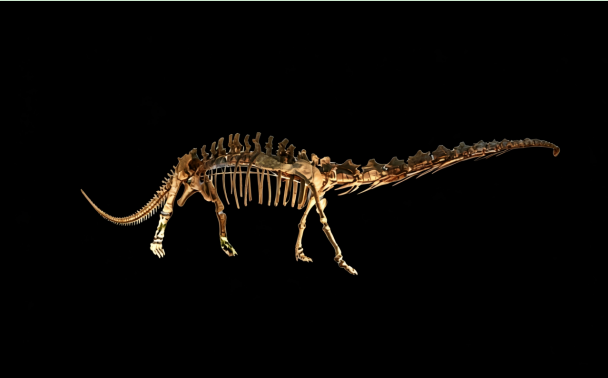
The fossil was discovered in Jingyan County, Sichuan Province, China, dating back to the Late Jurassic period. It is massive in size, measuring 26 meters in length, with a neck about 13 meters long. It is currently the most primitive known species of Mamenchisaurus in China, and also holds the record for the largest neck-to-body length ratio among dinosaurs.
TOP2
Dinornis
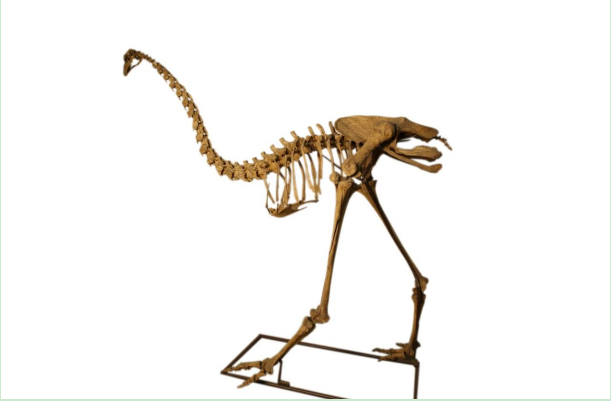
It is an extinct species that once lived in New Zealand. Standing up to 3.6 meters tall, it was one of the largest birds ever to exist on Earth. This specimen was gifted to Academician Pei Wenzhong in the 1950s by the Auckland Museum of Natural History in New Zealand. Later, Academician Pei donated this rare moa specimen to the preparatory office of the Central Museum of Natural History (the predecessor of NHMC).
TOP3
Teinopalpus aureus
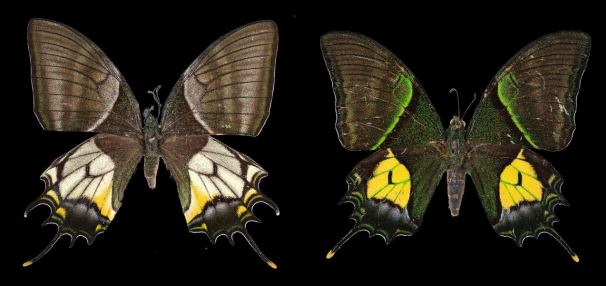
It is a species endemic to China and the only butterfly listed as a Class I nationally protected wildlife species. Widely recognized as the "National Butterfly of China," this species exhibits sexual dimorphism, with female individuals being particularly rare in the wild. Its type locality is in China.
TOP4
Psittacosaurus sp. (Mummy fossil)
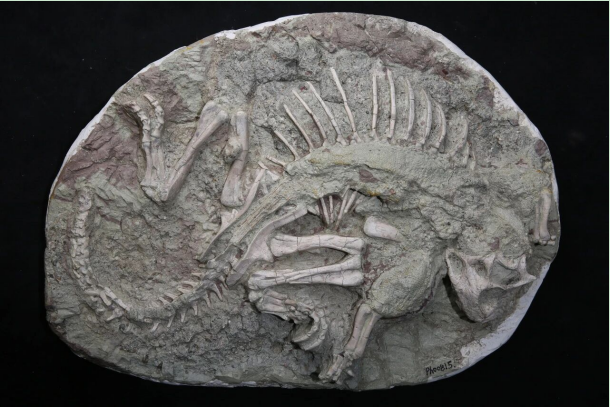
The specimen was discovered in western Liaoning Province, China, dating back to the Early Cretaceous period. It is the first dinosaur "mummy" fossil found in China. The fossil preserves well-defined skin impressions on its vertebrae and shoulder girdle, with clearly visible scale structures—an extremely rare form of preservation in fossils.
TOP5
Stegodon zdanskyi (The Yellow River Elephant)
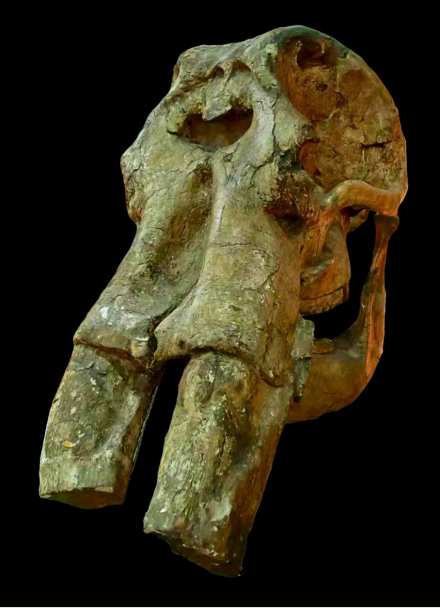
The fossil was discovered in 1973 in Heshui County, Qingyang City, Gansu Province, dating back to the Pliocene epoch, approximately 3 million years ago. With a body length of 8 meters, it is the largest and most complete stegodon ever found, and it is also the protagonist a primary school Chinese textbook lesson "The Yellow River Elephant."
TOP6
Allosaurus fragilis
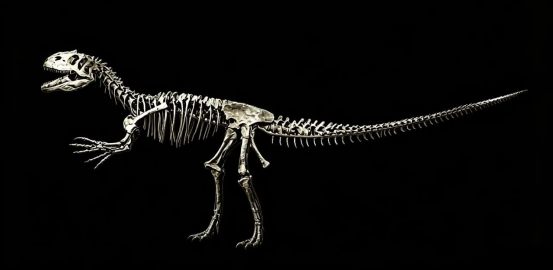
Dating back to the Late Jurassic period, it was the top predator roaming North America and Europe at that time. The specimen was discovered in Utah, USA, measuring 8 meters in length, with over 75% of its skeleton preserved intact. It is currently the largest Allosaurus fossil specimen housed in China.
TOP7
Juramaia sinensis
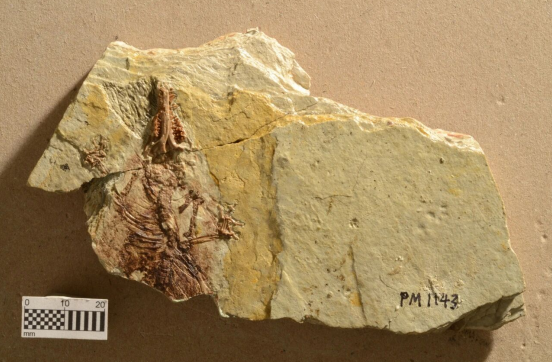
This holotype specimen was discovered in Jianchang County, Liaoning Province, China, dating back to the Late Jurassic period, approximately 160 million years ago. Its discovery made the fossil record of eutherian mammals further back in time by 35 million years, making it the oldest known placental mammal in the world. The related research findings were published in the journal Nature in 2011.
TOP8
Anchiornis huxleyi
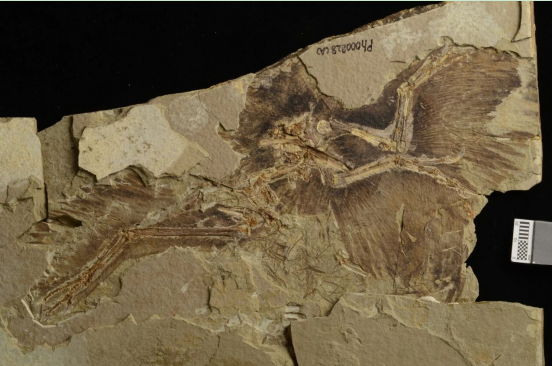
The fossil was discovered in western Liaoning Province, China, dating back to the Late Jurassic period. It is currently the earliest known feathered dinosaur in the world. Based on the melanosomes preserved in this specimen, researchers at the museum reconstructed the color of its entire plumage, providing crucial evidence for studying the evolutionary relationship between dinosaurs and birds. The findings were published in the journal Science in 2010.
TOP9
Tourmaline
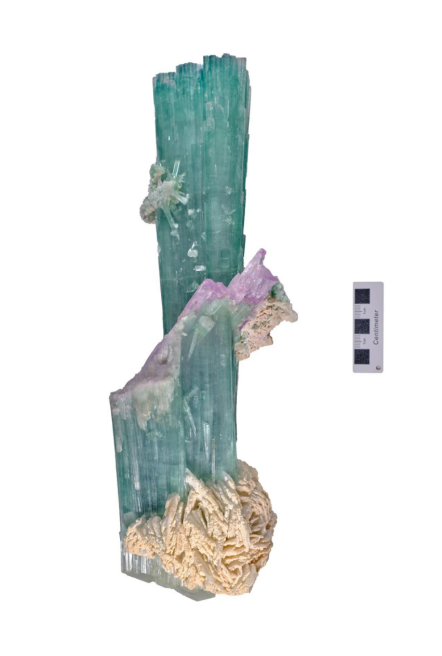
The specimen originated from Pakistan and features a rare mineral assemblage. The main body consists of green tourmaline intergrown with pink spodumene and white foliated cleavelandite, creating a striking contrast of colors with a uniquely elegant form. It embodies both a natural wonder and an Eastern aesthetic imagery.
TOP10
Latimeria chalumnae
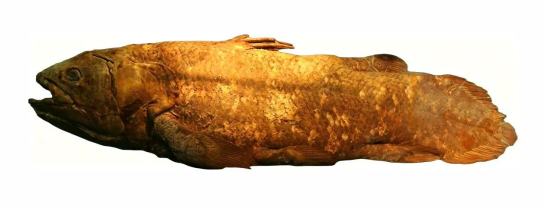
The species belongs to the coelacanth order and the family Latimeriidae and it’s a fossil of landmark significance in the evolutionary history of vertebrates. Coelacanths were once believed to have gone extinct as early as the Cretaceous period, 70 million years ago, until Miss Latimer of the East London Museum in South Africa discovered this strange fish during a specimen collection in 1938. Currently, the coelacanth is listed as Critically Endangered on the IUCN Red List of Threatened Species.
Thanks to every vote you cast, these ten exhibits will become lasting symbols connecting the Natural History Museum of China with its audience—featured in future exhibitions, educational programs, outreach activities, and cultural products. Your votes were more than just expressions of affection; they were a testament to your curiosity about the natural world.
And as our museum turns 75, we remain as vibrant as ever. In the years ahead, let's continue to love nature, explore it, and truly understand it--together.